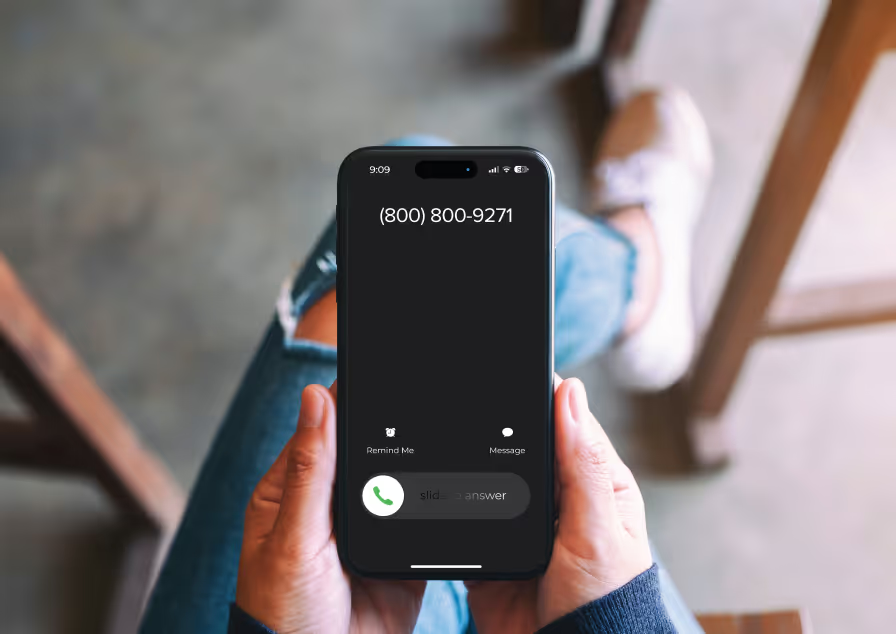

Impersonation scams are one of the most common types of fraud affecting credit union members today. In these scams, criminals pretend to be your credit union—or a trusted employee—to trick you into sharing personal information or sending money.
Staying informed is the best way to stay protected.
Common Impersonation Scams Targeting Credit Union Members
Phone calls claiming to be from your credit union about a “suspicious transaction”
Text messages warning your account will be locked unless you respond
Emails that look official but link to fake websites
Requests for one‑time passcodes, PINs, or online banking details
Scammers may fake phone numbers or use logos and language that look legitimate.
Red Flags to Watch For
Be cautious if someone:
Pressures you to act immediately
Asks for your password, PIN, or one‑time code
Requests payment using gift cards, wire transfers, or peer‑to‑peer apps
Tells you not to contact your credit union directly
Sends links or attachments you weren’t expecting
Your credit union will never ask for your full password, PIN, or one‑time passcode.
What to Do If You’re Unsure
If you receive a message or call that doesn’t feel right:
Stop. Don’t click. Don’t share. Contact your credit union directly through its official website or phone number.
You are temporarily leaving the official website of Liberty Federal Credit Union. The service or product you are linking to will open in a new tab or window. You will return to the Liberty FCU web site when you close that tab or window. Liberty FCU neither endorses nor guarantees any product, service, information, or recommendation made at an external website. External websites may provide less security and may not meet the same ADA accessibility guidelines.
You are about to leave the site and go to:
We use cookies to enhance your browsing experience, serve personalized ads or content, and analyze our traffic. By clicking "Accept", you consent to our use of cookies. Cookie Policy